Insurance Claims for Water Damage Restoration: A Step-by-Step Guide
Published: 2026-04-16 · By ClearFlow Water Damage Repair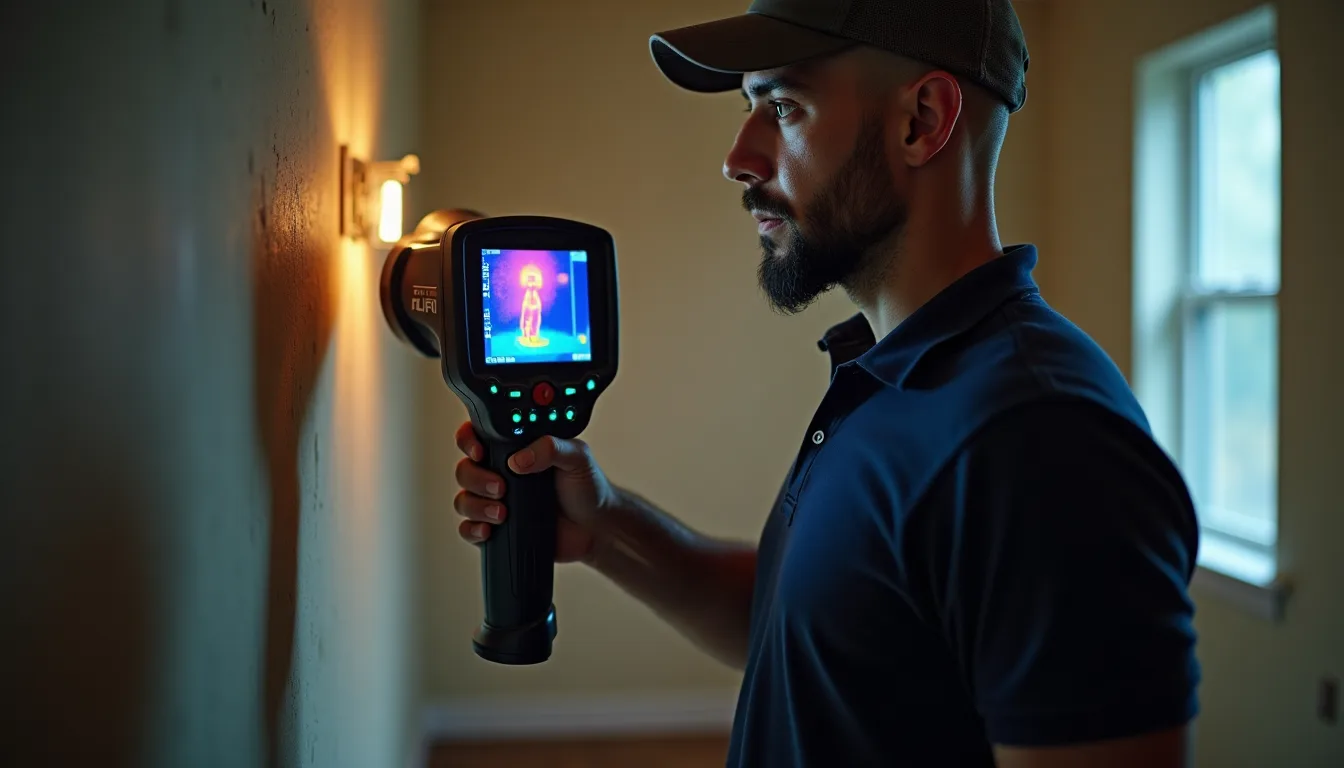
Imagine returning home after a day in the sweltering Spring heat only to find your living room flooded from a broken pipe or a sudden storm. The panic sets in as you realize your cherished belongings might be at risk. Filing an insurance claim for water damage restoration may feel daunting, but understanding the process can save you time, money, and stress. In a place where humidity often leads to severe damage, it’s crucial for homeowners to be equipped with the right knowledge to navigate insurance claims effectively.
Why This Matters for Spring Homeowners
In the humid climate of Spring, the threat of water damage looms large. Severe thunderstorms, often accompanied by hail, can strike without warning, placing your home's structure at risk. Coupled with the area’s clay soil, which expands and contracts, many homeowners experience foundation issues, leading to water intrusion. This not only damages the aesthetic but can also compromise the safety and integrity of your property.
Moreover, many homeowners underestimate the role their insurance plays during water damage restoration. Understanding your policy can be overwhelming, especially when faced with the intricacies of filing a claim. Many local residents find themselves overwhelmed and discouraged, leading to delays and lost claims as they navigate the often-confusing process of insurance.
As Spring enters hurricane season, which persists from June through November, the urgency intensifies. The last thing you need after a catastrophic event is to be unprepared when dealing with your insurance company.
Expert Solutions & Actionable Tips
1. Understand Your Coverage
First and foremost, take the time to read through your insurance policy. Look specifically for clauses related to water damage and restoration. Many homeowners may assume that all forms of water damage are covered, but policies can differ significantly. Coverage often hinges on the cause of damage, so clarify whether incidents caused by natural disasters or plumbing failures are included, and discuss any concerns with your provider.
Analyzing your coverage beforehand can help set expectations on the financial aspects of your restoration. Coverage limits typically range from $10,000 to $100,000 depending on the policy and the type of damage.
2. Document Everything
Before any restoration work begins, document the damage thoroughly. Take photos and videos of affected areas, as these can serve as crucial evidence for your claim. Create an inventory of damaged items, making note of their value—this can simplify the adjustment process later. Proper documentation can potentially expedite the claims process significantly and showcases the extent of the damage you’ve incurred.
Investing a small amount of time in documentation can ultimately lead to reimbursements for items valued in the hundreds or thousands of dollars.
3. Notify Your Insurance Promptly
After assessing the situation, promptly contact your insurance company. Timeliness is often critical in claims as many policies require you to report incidents within a specific period. Be prepared to provide details about the event leading to the damage, and include any documentation you’ve gathered.
Your initial conversation can set the tone for the rest of the claims process, so be clear and organized. Timely notification can also help safeguard against disputes about coverage later on.
4. Seek Professional Help Early
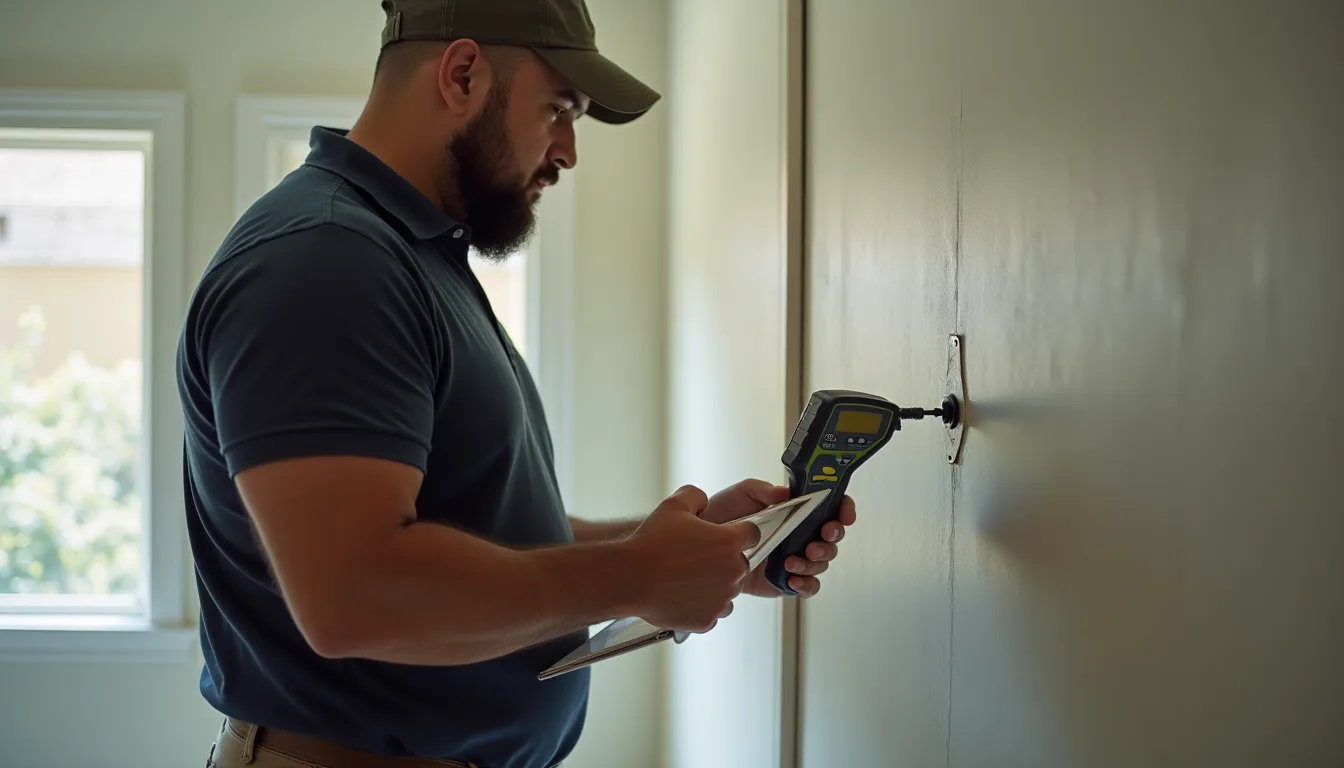
While it might be tempting to tackle the problem on your own, consider involving professionals early in the restoration process to prevent further damage. Professional restorers have the experience and tools needed to assess damage accurately and mitigate more extensive losses. In Spring, water damage restoration often requires swift action to ensure the structures are secured properly, especially during hurricane season.
Emergency services usually operate within hours of the initial claim, reducing overall repair costs by acting quickly.
5. Calculate Repair Costs Properly
Understanding the potential costs of restoration work can help in negotiating your claim. Factors like the extent of the damage, labor, and materials can all affect total expenses, which can range significantly. A basic cleanup can cost from $1,000 to $3,000, while more extensive repairs can see figures skyrocketing past $20,000.
Arm yourself with estimates and get at least two quotes to share with your insurer, providing a solid basis for the amounts you can claim.
6. Follow Up on Your Claim
Once you’ve submitted your claim, it’s essential to be proactive about following up. Insurance companies often have numerous claims to process, so checking in can help keep your case top of mind. Document these interactions and any timelines provided, as this can help substantiate your claim should there be delays.
In busy seasons, like hurricane season, adjustments might take longer; staying engaged can ensure you receive any necessary reimbursements as soon as possible.
Spring Climate & Local Context
Spring’s climate is characterized by extreme heat and high humidity, creating an environment where water damage can escalate quickly. Homes often suffer from the effects of moisture-laden air combined with thunderstorms, making water damage restoration an ever-present necessity.
Most properties in Spring are built on clay soil which expands and contracts with the changes in moisture. This can lead to foundation instability, influencing how and where water enters your home. Understanding local building codes is paramount; many localities require professional assessments and permits for significant restoration work. Always check with local authorities to avoid fines and ensure compliance.
When to Call a Professional
While some water damage situations can be handled as DIY projects, knowing when to call professionals is vital to minimize long-term problems. Many homeowners assume they can dry out carpets or treat small leaks but often misjudge the severity of damage.
- Visible mold or a musty smell.
- Water pooling in unusual areas.
- Persistent leaks or plumbing failures.
- Severe structural damage visible.
- Electrical hazards present or tripped circuits.
- Flooding that covers large areas.
- Claims involving extensive structural damage.
- Any challenges meeting safety codes.
If you observe these red flags, don’t hesitate to call ClearFlow Water Damage Repair for an assessment. Timely intervention can prevent more severe damage and necessary further expenses.
Frequently Asked Questions
What types of water damage are typically covered by insurance?
In Spring, insurance usually covers damage caused by sudden issues like burst pipes and storm-related flooding. It’s crucial to read your specific policy to understand exclusions, especially about gradual damage.
How can I prevent water damage in my home?
Regular maintenance of gutters, downspouts, and plumbing systems is essential in Spring’s climate. Additionally, ensuring proper drainage away from the foundation can significantly reduce risks.
What do I do if my claim is denied?
If your insurance claim is denied, review the denial reason thoroughly. Contact your insurance agent to discuss options and potentially appeal the decision, presenting clear documentation of damages can bolster your case.
How long does the insurance claim process usually take?
The timeline for an insurance claim can vary, but on average, it takes a few weeks to several months to process. In Spring, unpredictable weather can delay assessments, so remain patient and proactive with your adjuster.
Should I move out during the water damage restoration?
In cases of extensive damage, especially those introducing safety risks, relocating may be advisable. ClearFlow Water Damage Repair can help assess whether your home is safe for habitation during repairs.
Get Expert Water Damage Restoration Service in Spring
Dealing with water damage and insurance claims doesn’t have to be overwhelming. With the right guidance and actions, you can ensure a smoother restoration process. For local support from trusted professionals, reach out to ClearFlow Water Damage Repair today.
Don’t wait for the next storm to assess your home’s vulnerabilities. Call (832) 861-9852 to discuss your concerns, and safeguard your home from potential water damage in Spring.
More Articles
How Spring Weather Affects Your Home: Water Damage Restoration Prevention Tips
2026-04-16
Water Damage RestorationHow to Choose the Best Water Damage Restoration Company in Spring
2026-04-16
Water Damage RestorationHow Long Does Professional Water Damage Restoration Take? Timeline Guide
2026-04-16